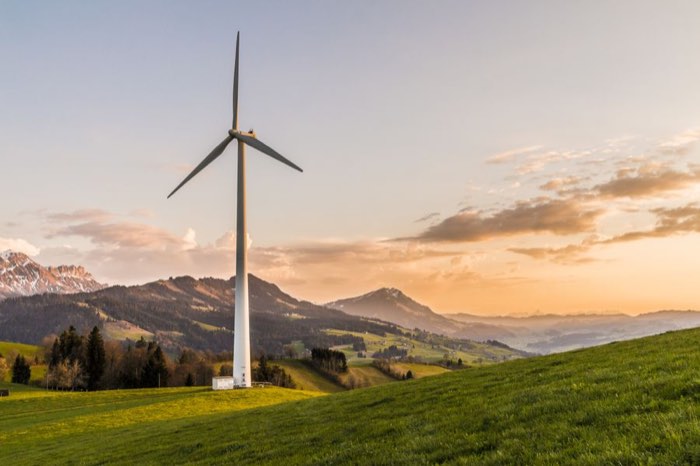
PERSPECTIVES · ENERGYUnderstanding and managing energy consumption in your home and work space
Feb 2024Depleting natural resources and the huge financial cost of energy are more reasons we should understand energy consumption and be frugal about energy use around our living and workspaces.
With the increasing awareness of climate change and the need to reduce carbon footprints, individuals and organizations continue to seek ways to optimize energy usage. This article explores the need to understand energy consumption and provides practical strategies for the efficient use of energy in homes and offices.
Understanding energy consumption
By delving into the intricate details of energy usage, we can uncover opportunities for improvement and make informed decisions to reduce our carbon footprint. Identifying the major contributors to energy consumption allows for targeted strategies to optimize usage and reduce waste. Studies conducted on households provide valuable insights into the various factors influencing energy consumption, ranging from building characteristics to socio-demographic variables and appliance ownership. This holistic understanding allows us to identify areas where energy efficiency can be enhanced, whether through upgrading appliances, implementing behavioral changes, or improving building design.
Strategies for managing energy consumption
- Conduct an energy audit: an audit provides valuable insight into current consumption patterns and areas for improvement. Professional auditors or online tools can analyze energy usage and identify inefficiencies.
- Install energy-efficient appliances and equipment: opt for energy-efficient appliances and office equipment. While shopping, look out for appliances with ENERGY STAR ratings, which indicate high energy-efficiency standards.
- Lighting optimization: switching to LED bulbs, utilizing natural light where possible, and installing motion sensors or timers can reduce electricity usage significantly. Lights should be turned off when spaces are not in use.
- HVAC maintenance and upgrades: regular maintenance of heating, ventilation and air-conditioning systems ensures optimal performance. Energy-efficient HVAC systems, programmable thermostats and proper insulation further reduce consumption.
- Power management for electronics: use power strips to switch off multiple devices easily, and enable power-saving modes on computers and other devices during idle periods.
- Behavioral changes: promoting energy-conscious behavior through education and incentives can significantly reduce usage: unplugging chargers, using efficient settings, adjusting thermostats.
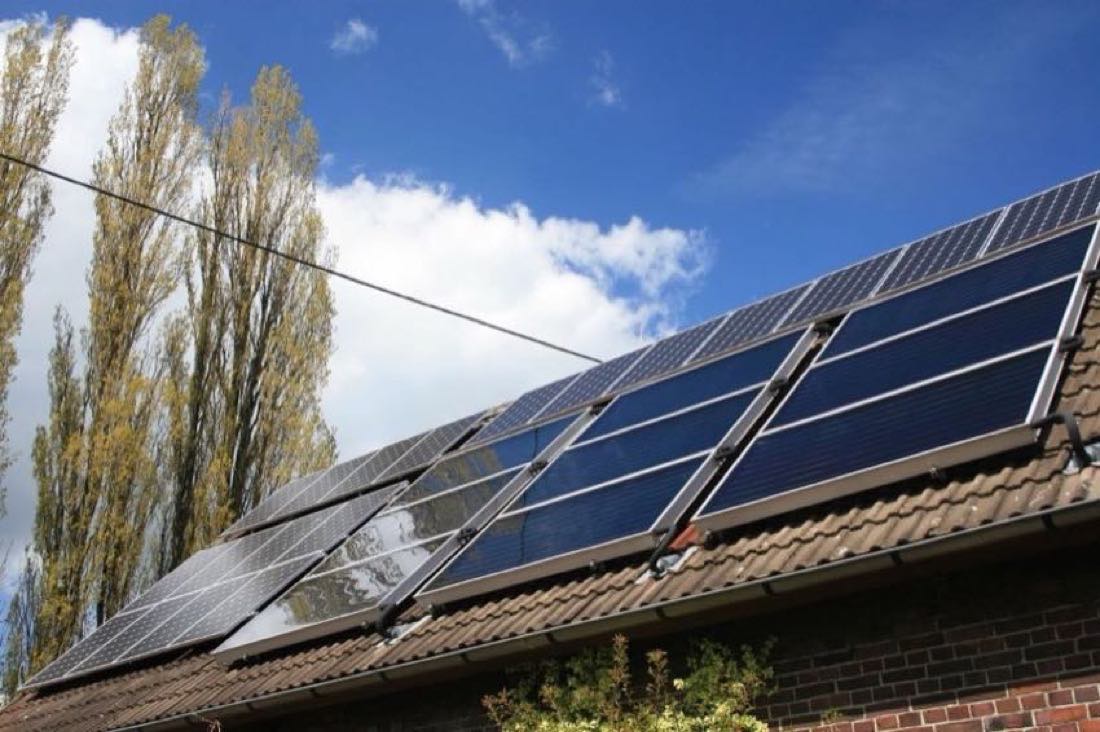
- Integrate renewable energy: incorporating solar panels or wind turbines reduces reliance on fossil fuels and offers long-term cost savings.
- Water conservation measures: low-flow faucets, toilets and showerheads reduce water consumption; fix leaks promptly to conserve water and energy.
- Building orientation and design: orientate buildings to harness natural light and breeze, reducing energy spent on illumination and cooling. Sustainable materials, open-plan spaces and proper window sizing all influence energy consumption and cost.
The benefits
- Cost savings: reduced consumption lowers utility bills and operational expenses.
- Environmental impact: decreased energy use means reduced greenhouse-gas emissions and carbon footprint.
- Comfort and productivity: optimized heating, cooling and lighting create more comfortable and productive environments.
- Regulatory compliance: meeting efficiency standards ensures compliance and may qualify for incentives.
Understanding energy consumption is not just about managing resources, but about creating a more sustainable and equitable world for all.
PERSPECTIVES · ENERGYYour quick guide to solar panel and inverter maintenance
Jan 2024As the world continues to shift towards sustainable energy sources, solar power has emerged as a key player in the renewable-energy landscape. Whether you have recently installed a solar energy system or have been enjoying its benefits for years, regular maintenance is crucial to ensure optimal performance and longevity.
Solar panel maintenance
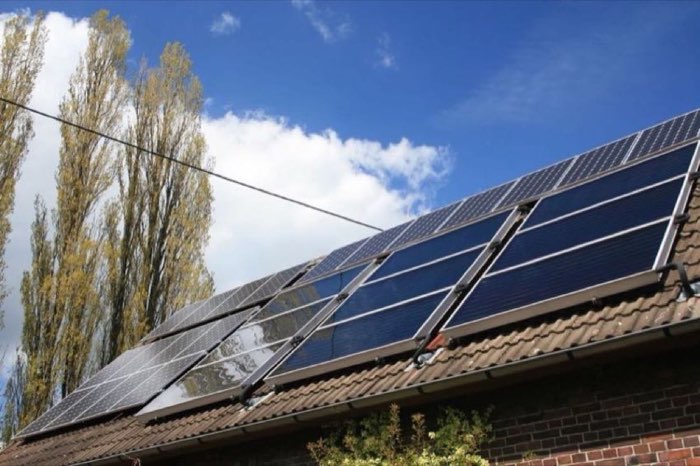
- Regular cleaning: dust, dirt and debris accumulate on panels and reduce efficiency. Clean with a soft brush or a gentle stream of water; never use abrasive materials.
- Visual inspections: check for physical damage such as cracks or loose connections. Addressing these promptly prevents bigger problems later.
- Trim surrounding vegetation: keep trees and plants trimmed so panels are never shaded. Shading significantly impacts performance.
- Monitor system performance: a monitoring system tracks production; sudden drops may indicate a fault that needs attention.
Inverter maintenance
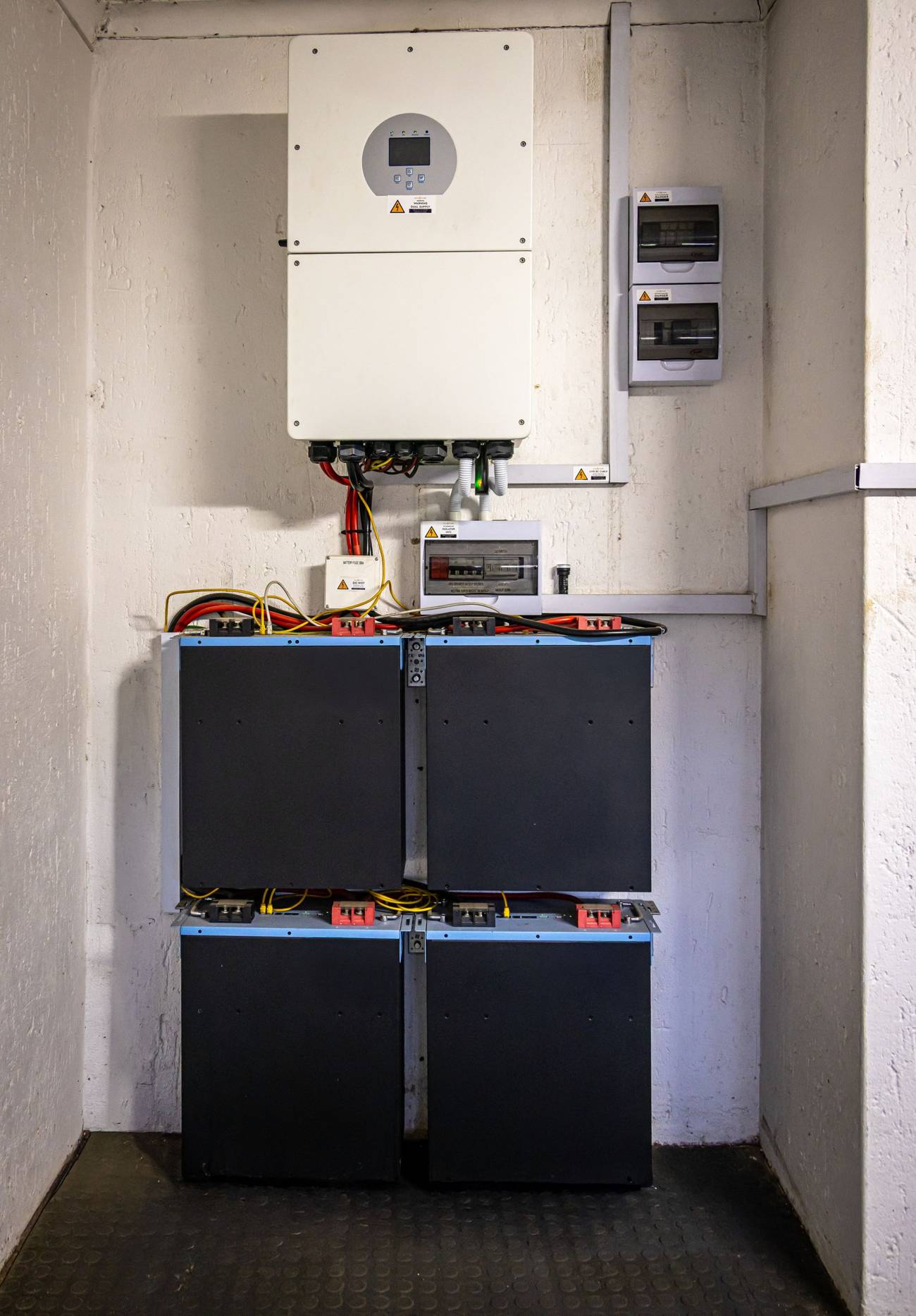
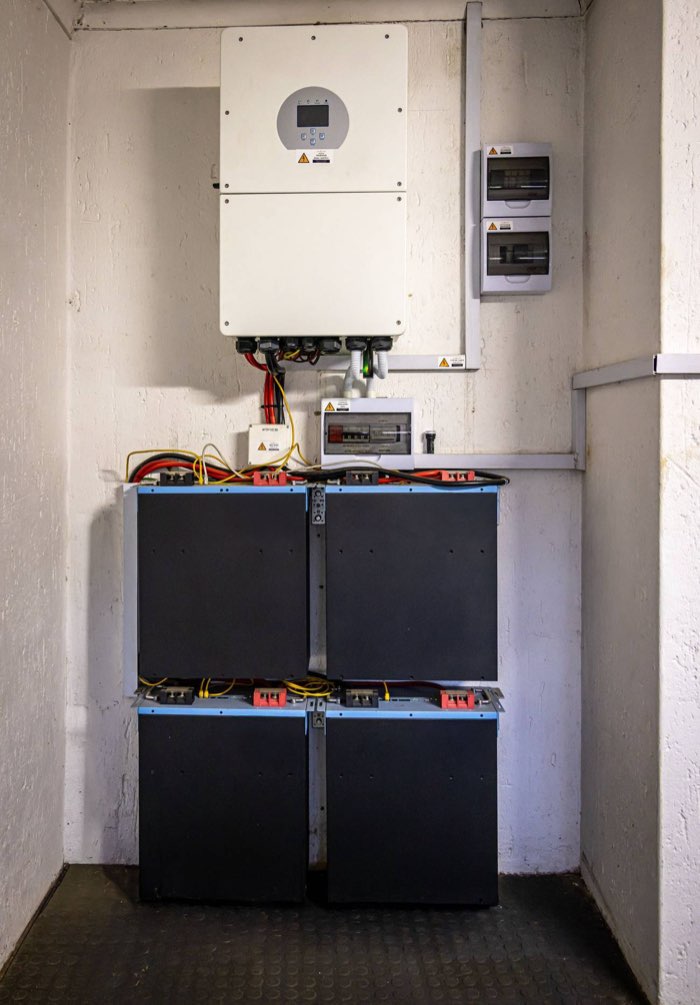
- Check for warning lights: most inverters signal issues through indicator lights. Check them regularly and refer to the manual.
- Keep the area ventilated: inverters generate heat; keep the area around them clear of obstructions.
- Inspect wiring and connections: loose or corroded connections affect the performance of the whole system.
- Professional inspections: schedule regular assessments by a qualified technician to catch what routine checks miss.
Regular attention to your solar power system extends the life of your panels and inverters, optimizes production, and keeps your clean energy reliable for years to come. Follow the manufacturer's guidelines and consult professionals for anything beyond routine care.
PERSPECTIVES · ENERGYThe future of alternative energy
Jul 2021We live in a world of high energy consumption. Every day we are making meals, cooling our homes, driving to and from work, checking our phones; all of it draws power, and all of it grows our carbon footprint unless that power comes from a green, renewable source. As researchers continue their search for ways to stave off climate change, the field of alternative energy is seeing interesting developments.
Alternative energy use is increasing
According to the World Energy Council, global energy requirements will keep rising before they finally peak and begin to dip. The good news: environmentally damaging sources such as coal and oil are on their way out, with solar, wind and other sustainable forms of generation taking their place. Alternative sources that once produced a mere 4 percent of total consumption are expected to reach 39 percent by 2060.
We are going to store more solar power
Alongside rising requirements comes a surge in demand for solar and wind storage. Facilities are being built that hold heat from the sun and generate electricity for up to 10 hours after the sun goes down, turning daytime generation into round-the-clock supply.
Generation is becoming part of the landscape
Designers are rethinking what generation looks like. Small-scale turbines styled like trees, panels integrated into building fabric: power sources you no longer need to hide, placed close to what they serve so less energy is lost in the grid.
Adapted from justenergy.com
PERSPECTIVES · ENERGYWhy alternative energy sources are the future
Jul 2021Fossil fuels still produce the vast majority of the energy we consume, and our dependence puts us on track for the rapid depletion of these finite materials, while burning them pollutes air and oceans and destroys ecosystems. The good news is that the growth of alternative energy sources means we can now reduce that dependence.
What is alternative energy?
Energy produced from any source other than fossil fuels is alternative energy. All renewable sources, those derived from naturally replenished processes such as sun, wind and water, fall under alternative energy, though not every alternative source is renewable.
Cost has stopped being the barrier
The equipment needed to harness alternative sources was once too expensive for practical use. Increased demand, experienced developers, competitive supply chains and improved technology have changed that: renewable power is now increasingly cheaper than fossil fuels for electricity generation, with onshore wind and solar photovoltaics the most affordable options of all.
The nine most common alternative sources
- Wind energy: from residential turbines to offshore farms, one of the cleanest forms of generation.
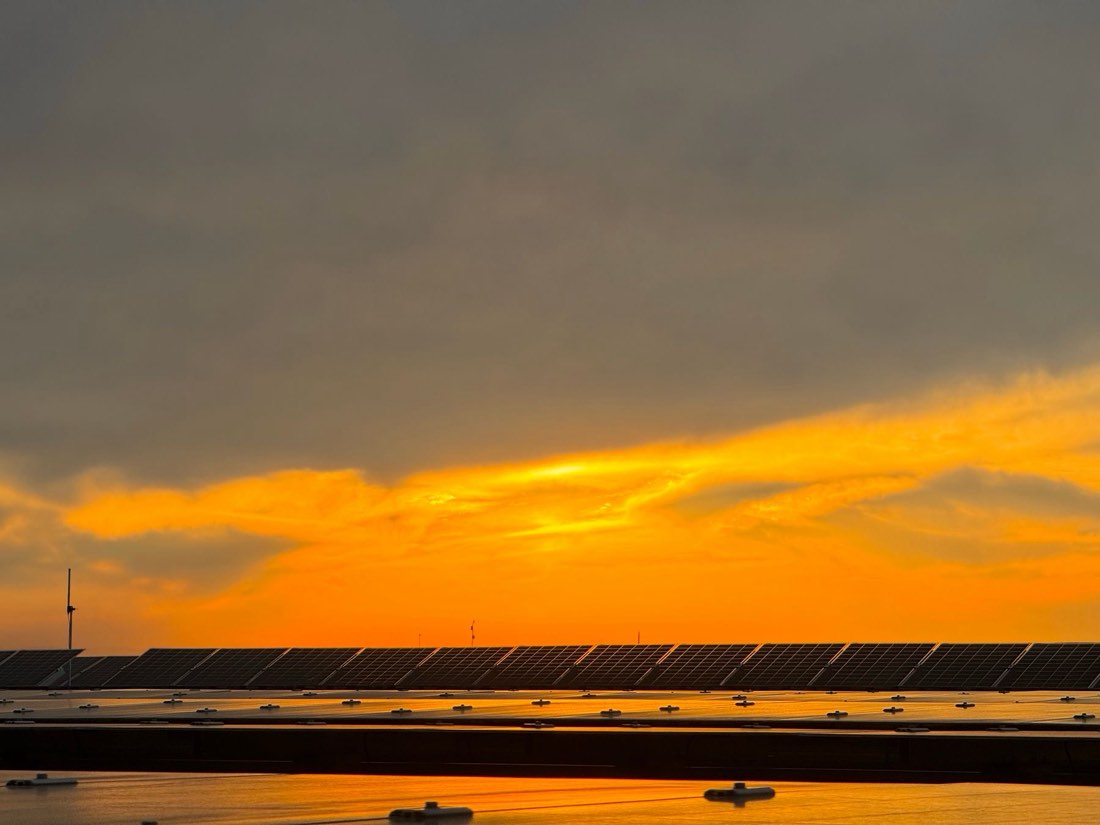
- Solar energy: photovoltaic cells on a single roof or across an entire solar farm.
- Hydroelectric energy: moving water spinning turbines behind dams.
- Geothermal energy: tapping underground reservoirs of hot water and steam.
- Bioenergy: power from organic material such as biomass and biofuels.
- Nuclear energy: heat from fission driving steam turbines.
- Hydrogen energy: a clean-burning fuel and the basis of fuel cells.
- Tidal energy: converting the movement of tides into electricity.
- Wave energy: generators on the ocean surface harvesting wave motion.
Why it matters
- Conserve finite resources and extend what remains of fossil reserves.
- Slow and reverse climate change: electricity generation is a leading source of emissions.
- Save lives by reducing air pollutants.
- Minimize fuel dependency by diversifying supply.
- Create jobs across manufacturing, installation and the wider energy industry.
As the technology improves, costs keep falling. Solar and wind alone could meet the world's demand, and most consumers agree the benefits far outweigh the drawbacks.
Adapted from justenergy.com
PERSPECTIVES · REAL ESTATERent rises by 35% in Abuja metropolis, environs
Nov 2021Abuja rent growth is outpacing the rest of the northern region as the city's apartment market roars back from the depths of the pandemic and puts pressure on the disposable income of residents.
The high rent is noticeable in highbrow locations and the outskirts of Abuja. Between January and September, rents rose as high as 40 and 50 per cent across locations, including axes initially considered cheap, with a price range of ₦700,000 for two-bedroom and ₦800,000 for three-bedroom apartments.
In Abuja municipality and areas such as Garki, Utako and Wuye, a two-bedroom apartment in the lower cadre of the housing market averaged ₦1.5 million, with medium-income properties pegged at ₦1.8 million. Today, such apartments are no longer available at ₦2 million. Property owners are seeking ₦2.5 million and above. Residents who were spending 30 per cent of their disposable income on rent now stretch to 50 and 60 per cent, since housing is a basic necessity.
The reality of high rents has forced residents to relocate to neighbouring areas such as Suleja, Lugbe, Karu, Kuje, Old Nyanya, Lokogoma and others in search of affordable accommodation. In satellite towns like Kubwa Phase IV, two-bedroom rents that used to be around ₦500,000–₦600,000 have risen to ₦800,000 and ₦1 million.
What is driving it
Observers point to migration into the city, which is putting pressure on affordable homes. With over 3,000 residential estates and population growth of over eight per cent yearly, available supply falls far short of affordability for young professionals and families in the low and middle-income class. The federal mass-housing programme has yet to cushion a housing deficit estimated at 1.7 million homes, while rising land costs in Gwarinpa, Maitama, Katampe and Jabi, and skyrocketing building-material prices, compound the problem.
The chairman of the Nigerian Institution of Estate Surveyors and Valuers (NIESV) Abuja branch, Mr. Ikenna Aghaji, attributed the trend to general inflation impacting goods and services, including building materials, leading to increased construction cost: “You can’t expect people to collect the same rent today with the increase in prices of building materials. Everything is increasing and the cost of property is increasing along with it.”
Other market leaders confirmed the rise, attributing it to demand pressure, and noted that the property market is always a reflection of the wider economy.
Source: The Guardian · Victor Gbonegun
PERSPECTIVES · SMART HOMEThe best smart display for 2020
Jul 2021In the final few years of the last decade, digital assistants penetrated our homes in the form of smart speakers and smart displays. A smart speaker allows you to manage connected devices hands-free; with a smart display, you get the same functionality with the bonus of a colour touchscreen. From flashing up your photos when idle to movie clips, music videos and video calls, smart displays are highly versatile: a command centre and entertainment device rolled into one. Here is our beginner’s guide to choosing one.
Amazon Echo Show
First to market, the Echo Show range is the go-to vehicle for Alexa. The 10-inch Echo Show brings out the best in the assistant: full-HD video, robust speakers, hands-free messaging and hub-free control of compatible smart devices. The compact Echo Show 5 squeezes a lively full-range speaker and a privacy shutter into a 5.5-inch frame, one of our favourite entry points. The Echo Show 8 is the all-rounder: an 8-inch HD screen, twin neodymium speakers, on-screen timers, video recipes and camera feeds. The tiny discontinued Echo Spot remains a neat bedside option while stocks last.
Google Nest
If you prefer Google Assistant, the 7-inch Nest Hub makes perfect sense for anyone invested in Google’s ecosystem: a digital art frame with a screen that self-optimises to lighting conditions (and no camera, so no privacy concerns). The 10-inch Nest Hub Max renders Google Photos exquisitely, personalises what it shows based on who is looking, and doubles as a security camera.
Lenovo
Lenovo’s Google-Assistant displays merit a look: the sleek Smart Display 7 with physical camera shutter and mic-mute, the HD Smart Display 8 that shines in the kitchen, the 10-inch Smart Display 10 for video calling, and the diminutive Smart Clock for the nightstand.
Final word
Whether you stick with the usual suspects or mix things up, a smart display is one of the fastest ways to put voice-controlled command of a connected home, and its entertainment, on one screen.
Adapted from Smarthome